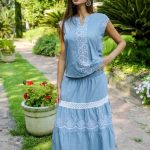
Modern consumers are increasingly turning toward safer, more sustainable materials. Natural fabrics are gaining popularity because they offer comfort, breathability, and health benefits—all while being eco-friendly. These fabrics are known for:
- Allowing air to circulate
- Being gentle on the skin
- Feeling pleasant against the body
Clothing made from natural fabrics works well both on a hot day and a cool evening. It offers consistent comfort and ease of wear. Choosing natural materials is a key step toward building a conscious wardrobe. Such clothes last longer and don’t cause harm. Let’s explore how to make the right fabric choices.
Assess Your Needs
Before shopping, it’s important to determine what type of clothing you actually need, what your wardrobe lacks, and what you already own in abundance. In addition, different fabrics serve different purposes based on a few key factors:
- Climate: Linen and cotton are ideal for hot weather, while wool is better for the cold.
- Activity level: If you’re often on the move, choose breathable and moisture-wicking fabrics.
- Skin type: Sensitive skin benefits most from cotton or bamboo.
- Budget: Cotton and linen are generally more affordable, whereas cashmere and silk come at a higher price.
This approach helps you avoid impulsive buys and instead focus on thoughtful, practical choices.
Learn About the Best Natural Fabrics
Rely not just on intuition, but also on understanding the features of each fabric. Here are some of the best natural materials and their qualities:
- Cotton (including organic): Soft, breathable, and highly versatile.
- Linen: Strong, airy, and perfect for heat.
- Wool (merino, cashmere): Retains warmth, manages moisture.
- Silk: Smooth, glossy, and ideal for delicate garments.
- Hemp: Durable, eco-friendly, gets softer with every wash.
- Tencel (lyocell): Soft, drapey, and biodegradable.
- Bamboo: Silky, antibacterial, and breathable.
If you’re looking for everyday wear, a deep dive into cotton fabric types can be especially useful. Choosing cotton clothes should be a deliberate decision, not a random one—it’s a fabric that suits most needs and pairs well with others.
Don’t Focus on Fabric Alone
Fabric quality isn’t everything—other factors also influence how your clothing performs and feels. Before making a purchase, consider the following:
- Weave type: Influences shape, stretch, and density.
- Dyeing process: Harsh chemicals can trigger skin allergies.
- Certifications: Look for OEKO-TEX or GOTS labels—these signal eco-friendliness and safety.
- Ethical production: Make sure the brand meets modern ethical standards.
- Care requirements: Always check the label; some fabrics require delicate handling.
A comprehensive approach leads to smarter buys and longer-lasting garments.
Practical Tips: How to Pick Natural Fabrics
There’s a wealth of advice out there, but here’s a concise checklist to keep in mind:
- Define the purpose of the garment (home, office, activewear, season).
- Match the fabric to your comfort and practical needs.
- Read the label—avoid synthetic blends.
- Feel the fabric—it should not feel plasticky.
- Check for sustainability certifications.
- Review care instructions to know what you’re committing to.
When choosing between cotton and other fabrics, comparing their properties can help you see why cotton often wins in terms of price, comfort, and versatility.
Why Organic Cotton Stands Out
More people are recognizing the value of organic cotton. Unlike conventional cotton, it’s grown without pesticides and chemicals, making it safer for your skin and the environment. It’s particularly ideal for children and people with allergies. This type of cotton is often GOTS-certified.
The production of organic cotton clothing follows strict ethical and environmental standards. If you’re aiming to buy high-quality garments, consider various types of cotton fabric—sateen, poplin, muslin, denim, and more. These are all consumer favorites for good reason.
Smart Choices Mean Better Comfort
Choosing natural fabrics is an investment in your well-being, environmental responsibility, and daily comfort. Cotton, linen, silk, and others offer distinctive benefits that synthetics simply can’t match. The best natural fabrics are those that are kind to both your skin and the planet.
Make mindful decisions by focusing on what you really need and checking the composition of each item. A cotton clothing guide can serve as a great resource—it simplifies the decision-making process and helps you find the perfect fabric for any occasion. Make the smart choice, and your wardrobe will become more comfortable, eco-conscious, and long-lasting.